November 2026 Industry Update: Toy Safety Awareness Month and the Pre-Holiday Counterfeit Plush Crackdown
The Toy Association kicked off its sixth annual Toy Safety Awareness Month on November 2, 2026, opening a four-week federal and retail-facing campaign that runs through the peak holiday selling window. This year's guidance, distributed through PlaySafe.org and the association's industry channels, concentrates on four areas: the circulation of dangerous knockoff toys on third-party marketplaces, safe-play practices for squishy and slow-rising foam toys, age-grading compliance on packaging, and consumer monitoring of recall notices.
For B2B buyers, brand owners, and import professionals in the plush category, the November 2026 campaign is more than a consumer education exercise. It signals where U.S. enforcement attention and retailer audit programs will concentrate during Q4 2026 and into the 2027 sourcing cycle. This update analyzes the campaign's scope, the counterfeit plush channel problem, and the verification steps that separate compliant supply chains from exposed ones.
1. Toy Safety Awareness Month 2026: Scope and Federal Messaging
Toy Safety Awareness Month is The Toy Association's annual November initiative, timed to precede the holiday shopping peak when toy sales volume and, historically, safety incident reports both reach their annual high. The 2026 edition places unusual emphasis on marketplace-sourced counterfeits, reflecting enforcement data showing that a growing share of unsafe toy seizures originates from direct-to-consumer cross-border parcels rather than traditional import channels.
The squishy toy guidance deserves specific attention from plush manufacturers. Slow-rising foam and fabric-covered squeeze toys occupy a regulatory gray zone adjacent to plush, and the campaign's focus on this category suggests that CPSC staff review of foam filling materials, fabric adhesion, and small-part attachment on squeeze toys will continue into 2027. Plush products with foam-blend fills or squishy hybrid constructions should anticipate closer scrutiny at both the testing and retail-audit level.
2. The Counterfeit Plush Problem: Scale and Enforcement Channels
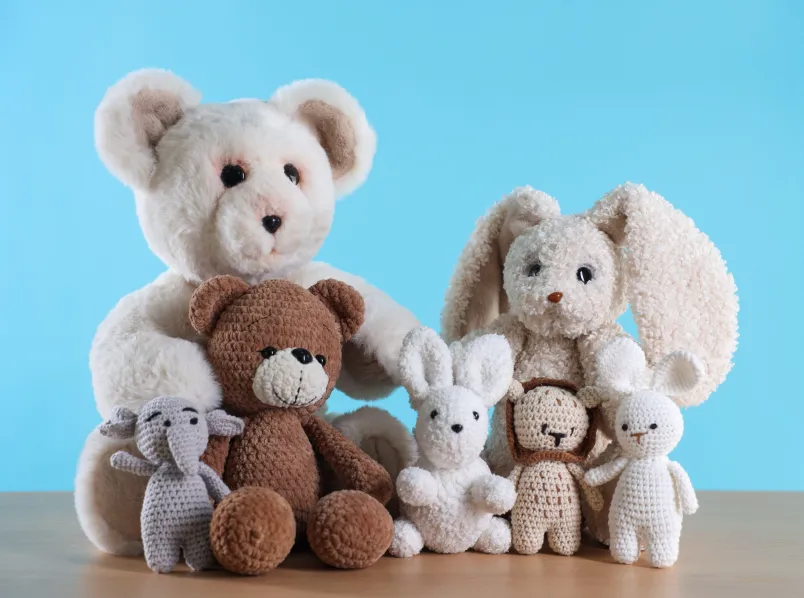
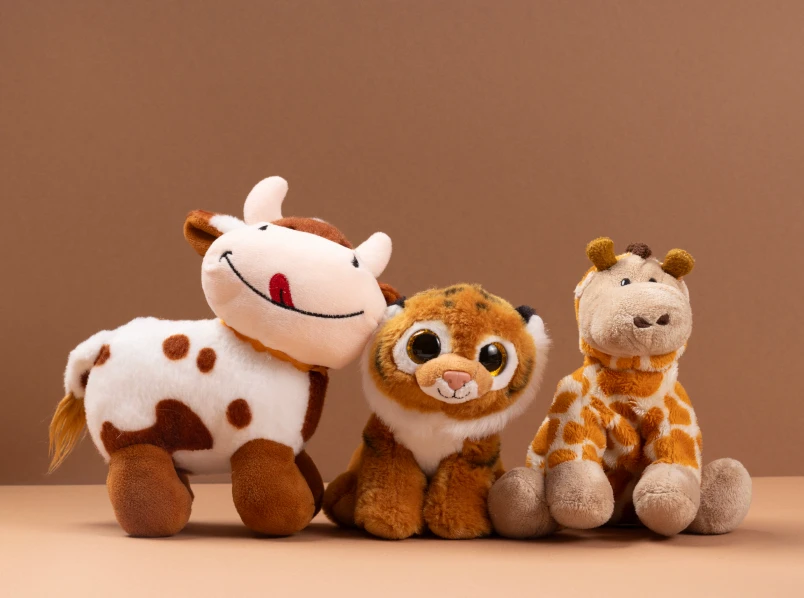
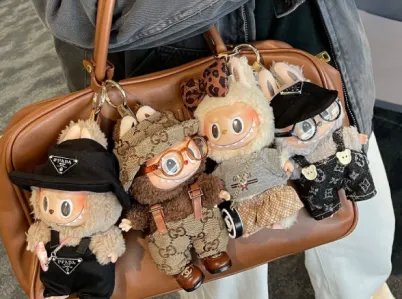
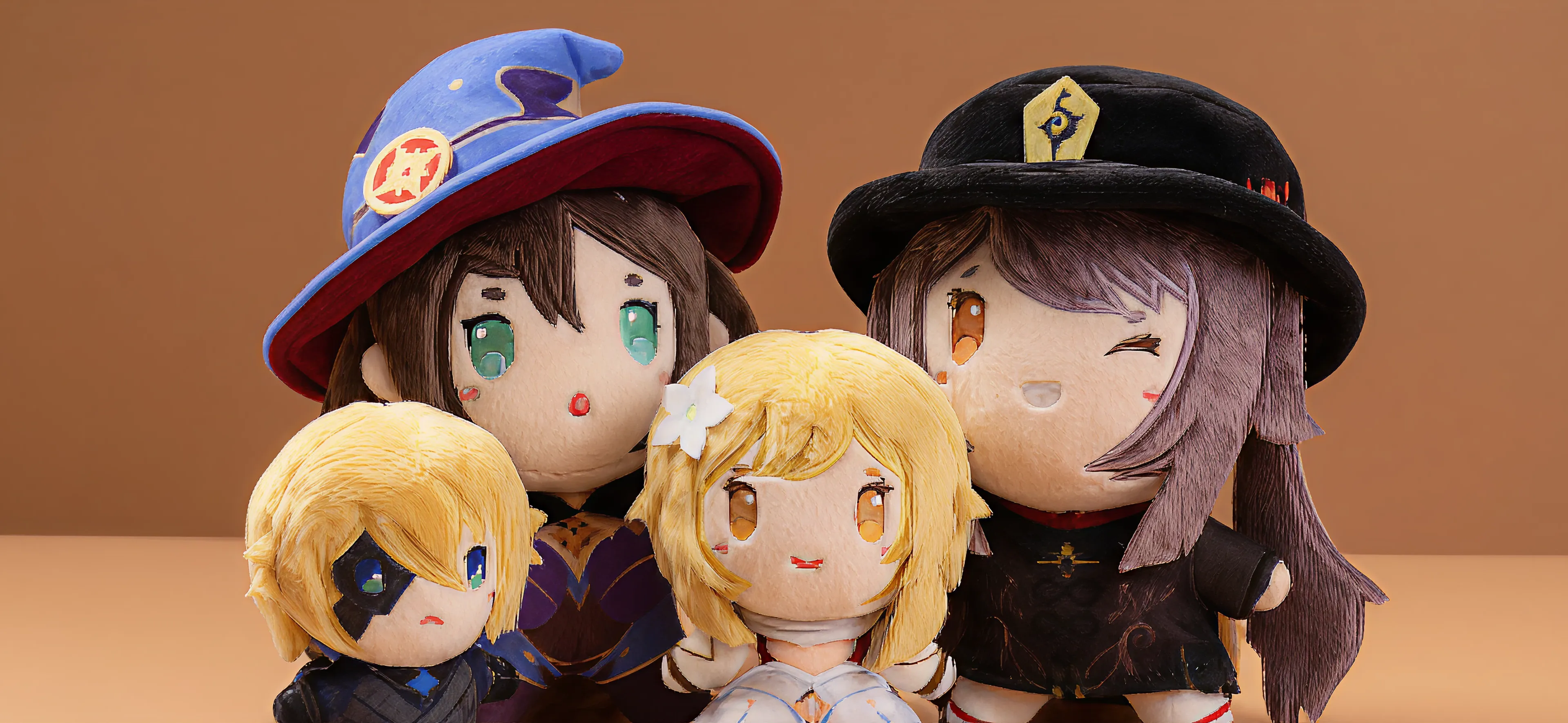
Counterfeit plush occupies a distinct position in the knockoff economy because the manufacturing barrier is low and the brand premium is high. A licensed character plush retailing at $25 to $40 can be replicated in unregulated workshops for under $2, and the visual difference in a marketplace thumbnail is minimal. The safety difference is not: counterfeit plush routinely fails small-parts testing on eyes and accessories, uses untested fill materials, and carries no flammability documentation.
Enforcement in Q4 2026 operates through three channels. U.S. Customs and Border Protection continues IPR seizures at ports, with plush consistently ranking among the top seized toy categories by unit volume. Marketplace programs, including Amazon's Brand Registry and counterfeit crimes unit, process takedowns at scale but remain reactive. Finally, state attorneys general have expanded their consumer-protection role in children's product cases, adding a layer of state-level exposure beyond federal CPSC jurisdiction.
3. Compliance Verification: What Legitimate Buyers Should Demand
The practical consequence of the November campaign for professional buyers is a shorter acceptable documentation timeline. Retailers conducting Q4 audits and preparing 2027 vendor agreements are compressing their compliance review windows, and suppliers unable to produce documentation on request are being removed from consideration regardless of price. The baseline package for any plush shipment now includes:
- A Children's Product Certificate (CPC) referencing test reports from a CPSC-accepted third-party laboratory, dated within the current production run
- Tracking labels on both product and packaging, with batch-level traceability back to the factory
- Registration and filing readiness under the CPSC's electronic filing (eFiling) mandate for imported children's products
- Material certificates for fabrics and fill, including flammability and chemical screening data
- For licensed characters, a verifiable license agreement chain from IP owner to factory
Buyers uncertain about their current documentation status should review the requirements detailed in our plush toy safety standards guide and the operational filing steps covered in our analysis of the CPSC eFiling mandate. Factory-level testing protocols are summarized on our safety and compliance page.
4. Implications for IP Owners and Licensed Plush Programs
For IP owners, the counterfeit wave carries a direct manufacturing implication: factories with documented compliance systems are now a brand-protection asset. A licensed plush program produced in an audited facility with batch traceability gives the IP owner a defensible chain of custody that counterfeiters cannot replicate, and it provides the documentation that marketplace brand-protection teams require for rapid takedown enforcement.
The recall environment reinforces this logic. Recent CPSC actions in the plush and infant soft-goods category, including the Stephan Baby plush recall earlier in 2026, demonstrate that even established brands face enforcement when a single component fails standard testing. For licensed programs, a recall carries brand damage well beyond the financial cost of the corrective action.
5. Strategic Outlook for Q4 2026 and the 2027 Sourcing Cycle
Three developments from the November campaign period will shape sourcing decisions into early 2027. First, the Toy of the Year finalist announcement at the Chicago Toy and Game Fair on November 7 will set the holiday retail narrative, and plush categories have featured prominently in recent finalist slates. Second, retailer vendor audits scheduled for Q1 2027 are already incorporating the documentation standards promoted during Safety Awareness Month. Third, the continued expansion of state-level enforcement suggests that compliance verification will fragment further, with buyers needing to satisfy multiple jurisdictional expectations rather than a single federal baseline.
Buyers preparing 2027 programs should treat November 2026 as the practical deadline for auditing their supplier documentation. Factories that maintain current test reports, batch traceability, and eFiling readiness will absorb the new audit requirements without schedule impact. Those that cannot will face qualification delays measured in months. Buyers reviewing their 2027 plush sourcing options may contact our team through the contact page for a documentation review.
6. Sources
- The Toy Association, "Toy Safety Awareness Month Kicks off with Holiday Guidance: Buy Smart, Play Safe" (November 2, 2026).
- The Toy Association, "Toy of the Year (TOTY) Finalists to be Unveiled at CHITAG" (October 22, 2026).
- The Toy Association, "What Toy Companies Should Know About State Attorneys General" (October 30, 2026).
- U.S. Consumer Product Safety Commission, recall announcements and PlaySafe.org consumer guidance (2026).