Custom Graduation Plush Toys: A B2B Manufacturing and Sourcing Guide
Institutional procurement of commemorative merchandise operates under rigid parameters. For university bookstores, alumni associations, and educational promotional agencies, custom graduation plush toys represent a high-margin, high-visibility retail category. Unlike general retail toys, graduation plush requires strict adherence to institutional brand guidelines, precise Pantone color matching, complex miniature garment construction, and an absolute, non-negotiable delivery deadline dictated by the academic calendar.
Manufacturing these items successfully requires a specialized engineering approach that balances the base character design with the physical limitations of academic regalia accessories. This comprehensive guide outlines the technical specifications, material selections, branding execution methods, compliance requirements, and reverse-timeline logistics necessary to execute a B2B graduation plush procurement program.
Character Selection: Standard Bears vs. Custom Institutional Mascots
The first structural decision in a graduation plush program is the base character chassis. Procurement teams generally select between two pathways: adapting an existing standard plush bear or engineering a fully custom institutional mascot.
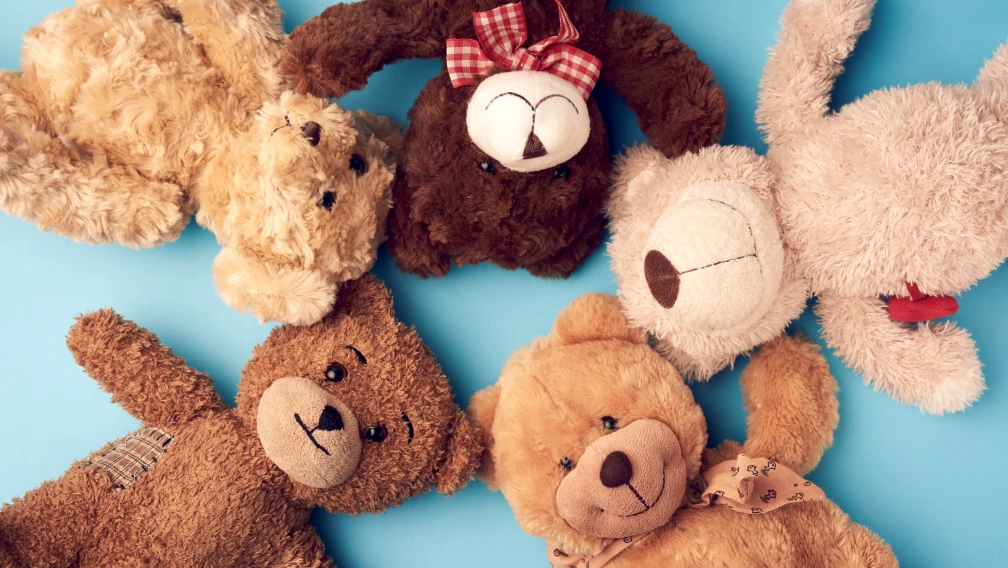
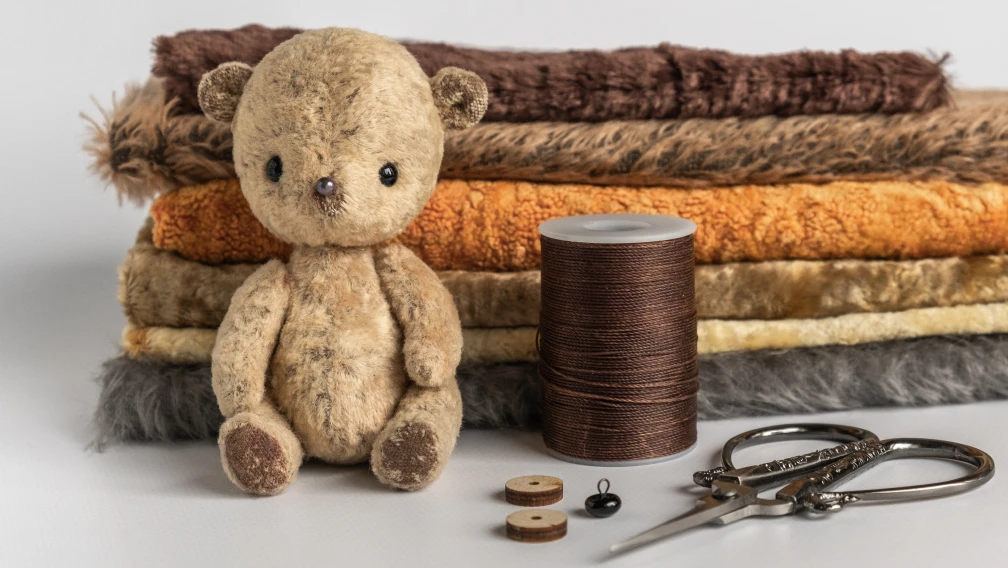
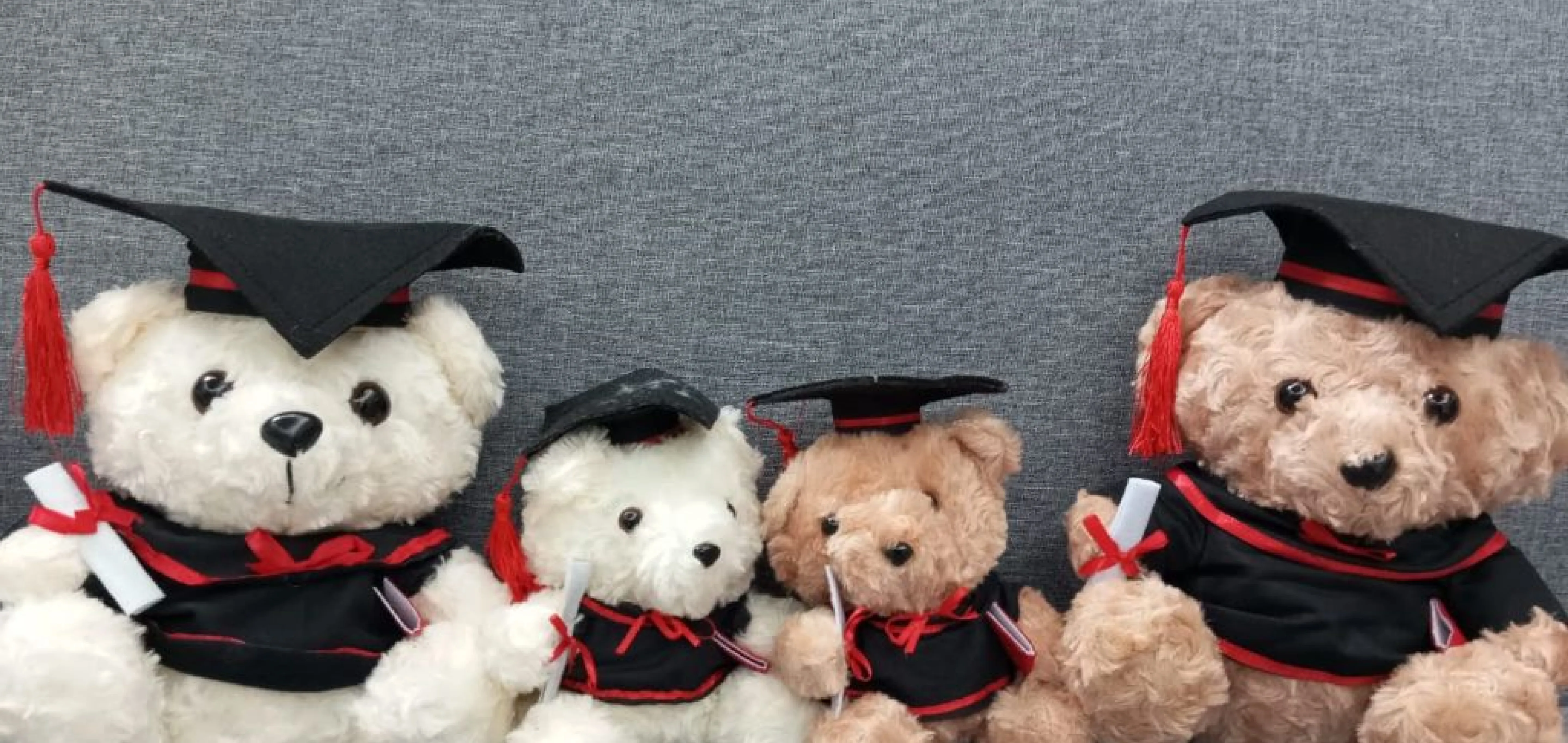
Standard commemorative bears offer a streamlined manufacturing process. The factory utilizes pre-existing, optimized patterns for the bear's body, requiring only the customization of the academic regalia (gown, hood, cap) and the embroidery of the university crest. This approach significantly reduces sampling time and lowers the Minimum Order Quantity (MOQ) threshold, making it viable for smaller departments or independent high schools. Buyers can select from standard fabrics such as PV fleece, sherpa, or curly rose swirl fur to achieve the desired tactile profile, similar to standard custom teddy bears.
Conversely, engineering a custom institutional mascot—such as a specific bulldog, eagle, or stylized character—requires drafting a new multi-panel 3D pattern from scratch. This pathway falls under custom mascot plush production. The engineering challenge here is anthropological adaptation: the mascot must be patterned in a seated or standing posture that successfully accommodates the drape of a graduation gown and the positioning of a mortarboard cap without obscuring the mascot's defining facial features.
Engineering Academic Regalia: Caps, Gowns, and Diplomas
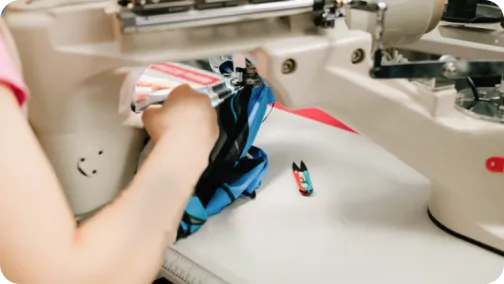
The defining elements of a graduation plush are the accessories. Miniature clothing construction presents unique factory floor challenges due to the small fabric tolerances and the required finishing techniques.
The Mortarboard (Graduation Cap): A standard plush cap cannot simply be sewn from fabric; it will collapse. Manufacturers achieve the required rigid, flat top by inserting a die-cut square of high-density EVA (ethylene-vinyl acetate) foam or industrial cardstock between two layers of polyester tricot or nylon. The skullcap portion is patterned as a separate multi-panel dome, sewn to the underside of the square board. The tassel is constructed from bundled viscose or polyester embroidery thread, anchored securely to the center button using a localized bar tack stitch to prevent shedding.
The Gown and Hood: Graduation gowns are typically cut from polyester satin, gabardine, or lightweight poplin. Satin provides a high-gloss finish typical of actual commencement regalia, while poplin offers a matte, structured drape. The challenge lies in the sleeve circumference; the sleeves must be patterned wide enough to accommodate the stuffed arms of the plush character during assembly. For university-specific colored hoods, factories use layered appliqué techniques or sublimation printing on flat satin panels to replicate complex chevron patterns without adding excessive fabric bulk around the character's neck.
The Diploma: The miniature diploma is usually fabricated from a rolled sheet of stiff white felt or non-woven fabric, bound by a satin ribbon in the institution's primary brand color. To ensure the diploma remains permanently attached, it is blind-stitched directly to the paw or hand of the plush during the final hand-finishing stage.
Pantone Dyeing and Institutional Color Accuracy
Universities mandate absolute precision regarding their official brand colors. A slight deviation in the shade of crimson, navy, or gold can result in the entire production batch being rejected by the institutional licensing board.
To achieve exact brand compliance, factories utilize Pantone Matching System (PMS) target codes. If the program volume meets the fabric mill's minimum yardage requirement (typically enough to produce 3,000 to 5,000 units), the raw white fabric is custom-dyed in vats. The factory submits "lab dips"—small 10cm x 10cm fabric swatches dyed to the target Pantone—for buyer approval before bulk processing begins.
Because different materials absorb dye differently, a Pantone coated (C) code will render slightly differently on high-pile sherpa compared to flat polyester satin. Procurement officers must review these lab dips under standardized D65 daylight simulation lighting to verify accuracy. If the order volume is too low to justify custom vat dyeing, the factory will source the closest available stock fabric colors, which must be approved via physical swatches by the client's brand compliance team prior to sampling.
Branding Execution: Crests, Logos, and Licensing Labels
Applying a complex, multi-colored university seal or athletic logo to a small plush surface requires careful decoration methodology selection. Direct embroidery is the most durable and premium option, typically applied to the front chest of the gown or directly onto the plush bear's body if a gown is not utilized.
However, embroidery machines have physical resolution limits. Text smaller than 4mm in height or highly intricate crest details will bunch and become illegible due to thread tension on the fabric base. When the institutional logo contains micro-text (such as a Latin motto inside a crest), factories pivot to alternative methods. High-density woven patches provide sharper resolution and are stitched onto the garment as an appliqué. Alternatively, sublimation printing or heat transfer vinyl (HTV) is utilized for logos on smooth satin gowns, allowing for photographic accuracy and perfect Pantone replication without needle limitations.
Furthermore, legally licensed institutional products require specific labeling. Sewn-in woven tags must typically include the manufacturer's details, tracking information, and the official collegiate licensing hologram sticker, which is applied to the hangtag during the final packing phase.
Mechanical Fastening and Quality Control
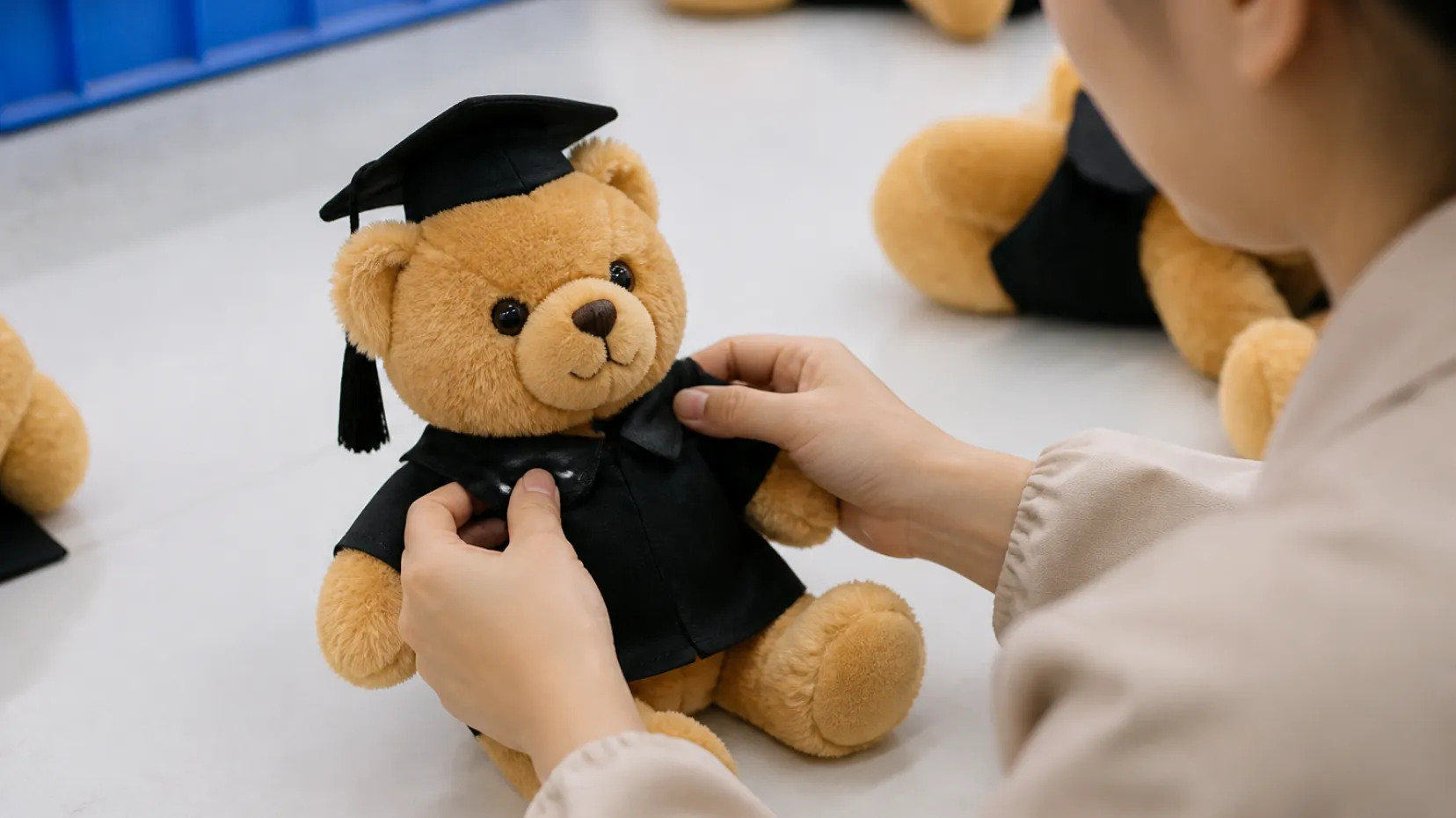
A common defect in low-grade graduation plush is the detachment of accessories during transit or retail handling. The mortarboard cap, in particular, is highly susceptible to falling off if simply resting on the character's head.
Factory specifications must mandate structural anchoring. The cap should be sewn to the plush head in at least three anchor points using heavy-duty transparent nylon thread or thread matching the cap color. These stitches must penetrate deep into the shell fabric of the head, catching the internal seam allowances rather than just the superficial fur pile. The gown should feature a functional front closure—usually a hidden hook-and-loop (Velcro) strip or miniature snap fasteners—but should also be spot-tacked at the shoulders to prevent it from sliding off the character's shoulders when handled.
Safety Compliance and University Vendor Requirements
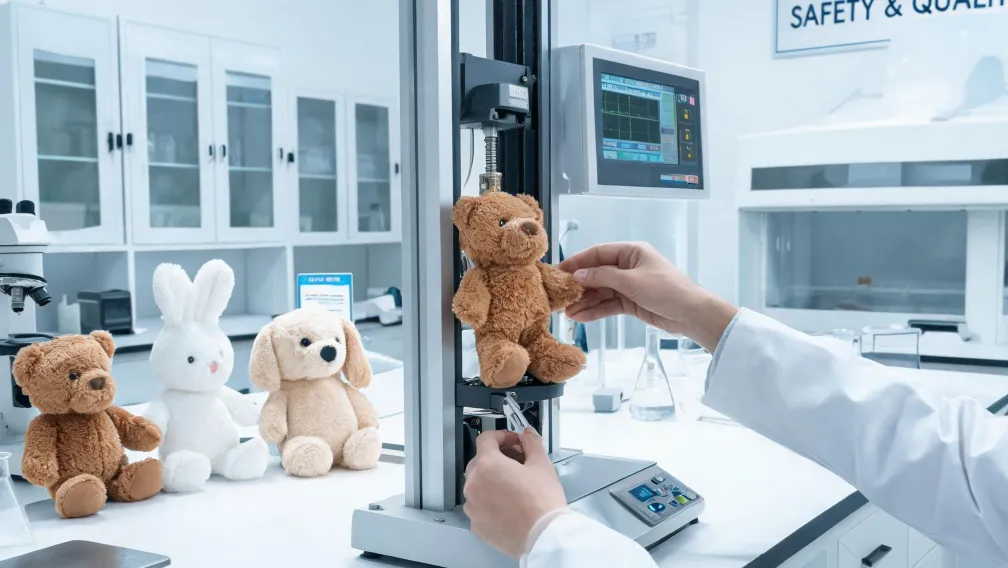
Although purchased primarily by adults and students, graduation plush toys often feature broad appeal and must legally comply with consumer product safety regulations. In the United States, they must meet ASTM F963 and CPSIA standards; in Europe, EN 71 applies. This necessitates third-party laboratory testing for heavy metals in the dyes, flammability of the synthetic materials, and mechanical pull tests (typically 15 lbs / 70 Newtons) on the tassel, diploma, and plastic safety eyes.
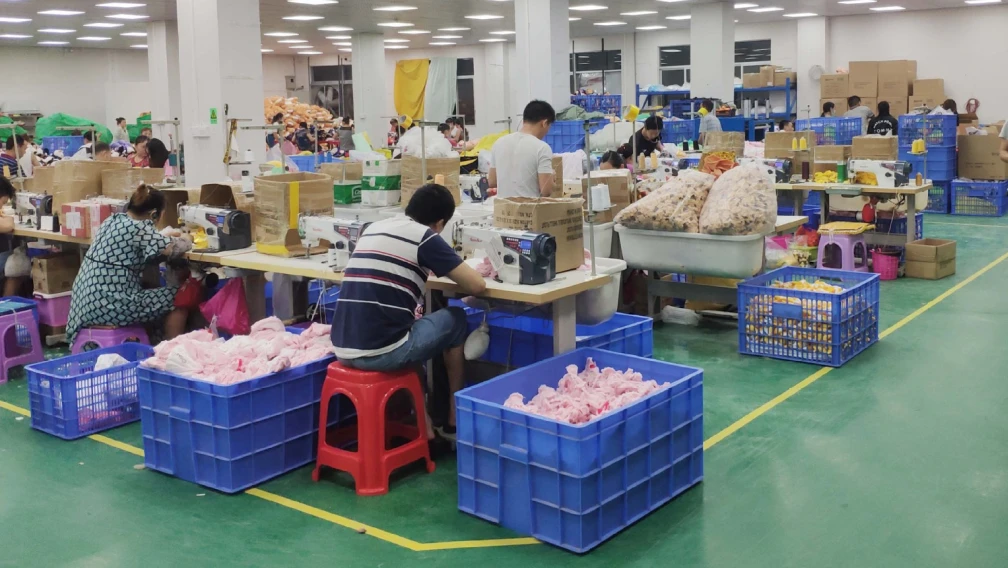
Beyond product safety, major university systems and licensing bodies (such as the Collegiate Licensing Company - CLC in the US) strictly enforce social compliance. Manufacturing facilities must possess current, valid audit reports from recognized ethical compliance frameworks, such as BSCI (Business Social Compliance Initiative) or SMETA/Sedex. These audits verify fair labor practices, safe working conditions, and environmental responsibility. Procurement officers must request these audit certificates during the initial vendor qualification phase to ensure the factory is authorized to produce licensed institutional merchandise. Specific compliance test details are available on our safety and compliance page.
Reverse-Timeline Logistics for Commencement Season
Graduation ceremonies operate on fixed dates, predominantly in May and June for the northern hemisphere. Missing a delivery deadline by even one week renders the entire inventory obsolete for a full year. Therefore, procurement logistics must be calculated in reverse from the target "in-store" date, factoring in generous buffers for international shipping delays.
A standard timeline for a custom graduation plush program targeting a May 1st retail launch requires initiation in Q4 of the preceding year. Pattern drafting, prototype sampling, and brand compliance board approvals consume 3 to 5 weeks. Bulk production requires 35 to 45 days. Sea freight logistics, customs clearance, and domestic rail transport from Asian manufacturing hubs to US or European distribution centers require 30 to 45 days.
| Project Phase | Typical Duration | Recommended Milestone (For May 1st Delivery) |
|---|---|---|
| Design Review & Quotation | 3–5 Days | Late November |
| Prototyping & Revisions | 14–25 Days | December |
| Institutional Licensing Approval | 7–14 Days | Early January |
| Bulk Production (inc. raw materials) | 35–45 Days | February to Mid-March |
| Sea Freight & Customs Clearance | 30–45 Days | Mid-March to Late April |
| Final Retail Distribution | 3–5 Days | May 1st |
Buyers relying on standard stock bears with custom clothing can compress the production phase slightly, but the sea freight transit time remains an inflexible constant.
Cost Structure and Volume Economics (MOQ)
The unit cost of a graduation plush is determined by the chassis type (stock vs. custom), the complexity of the regalia, the number of embroidery locations, and the total order volume. Adding clothing to a plush toy effectively introduces a secondary manufacturing process; the factory must operate a separate cutting and sewing line solely for the miniature garments.
For a standard 20cm seated graduation bear featuring a stock-color gown, EVA-reinforced cap, and a single custom embroidered logo, MOQs generally start at 500 to 1,000 units, with FOB pricing ranging from $3.50 to $5.50 depending on the fabric grade. Fully custom institutional mascots require higher MOQs (typically 1,000 to 3,000 pieces) to offset the extensive R&D and pattern-drafting labor, with FOB costs ranging from $4.50 to $7.00. Custom Pantone vat-dyeing for fabrics requires a minimum commitment of roughly 3,000 units to absorb the mill's minimum yardage charges. Packaging options, such as clear acetate presentation boxes or branded corrugated tubes, add significant perceived value but will increase both the unit cost and the volumetric freight weight.
Initiating an Institutional Procurement Program
Executing a graduation plush program requires a manufacturing partner experienced in handling complex licensing parameters, precise color-matching tolerances, and inflexible seasonal deadlines. Maris produces compliant, high-quality commemorative merchandise for universities, preparatory schools, and alumni networks globally. Procurement officers and promotional agencies can submit their institutional guidelines, mascot reference art, and target delivery dates through our contact page. Our engineering team will review the specifications and return a comprehensive technical quotation and timeline matrix within 48 hours.
FAQ
For custom graduation plush based on standard bear patterns with customized gowns and logos, the minimum order quantity (MOQ) typically starts at 500 to 1,000 pieces. If you require a fully custom institutional mascot or custom Pantone vat-dyeing for the fabrics, the MOQ generally rises to 1,000 to 3,000 pieces to cover the specialized setup costs.
Yes. The factory utilizes Pantone Matching System (PMS) codes to ensure brand accuracy. If your order volume meets the fabric mill's minimum yardage, the raw material is custom-dyed in vats. For smaller orders, we source stock fabrics that provide the closest possible match and submit physical swatches to your compliance team for approval.
To ensure a May retail delivery, the project must be initiated in November or December of the preceding year. This allows adequate time for prototyping, licensing board approvals, 35 to 45 days for bulk production, and 30 to 45 days for international sea freight and customs clearance.
Direct embroidery is highly durable but struggles with micro-text smaller than 4mm in height. For intricate university crests or detailed Latin mottos, factories recommend using high-definition woven appliqué patches or sublimation printing on the satin gown, which allows for photographic resolution without thread distortion.
To prevent the cap from falling off during retail handling, factory specifications require it to be mechanically anchored. The cap is blind-stitched securely to the plush head in at least three locations using heavy-duty nylon thread that penetrates the main shell fabric, ensuring permanent attachment.
Yes. Even though they are often purchased for high school or college graduates, graduation plush toys feature broad appeal and are legally required to pass consumer product safety testing (such as ASTM F963 in the US or EN 71 in the EU). This includes pull tests on the tassel and safety eyes, as well as flammability and heavy metal chemical checks.
Absolutely. Most major university systems require their vendors to manufacture in facilities that possess current social compliance audit certifications. Maris operates facilities audited by recognized frameworks such as BSCI and Sedex (SMETA), ensuring fair labor practices and authorization to produce officially licensed collegiate merchandise.