Mini Plush Toys: A B2B Manufacturing and Sourcing Guide
Mini plush toys in the 5 to 15 cm range form the volume backbone of the character merchandise industry. They fill claw machines, blind box programs, capsule vending, subscription boxes, event giveaways, and keychain lines. The unit price is low and the quantities are large, which makes the category look simple from the outside. In production terms it is the opposite: small scale removes the margin for error that larger plush formats can absorb.
This guide covers the manufacturing realities of mini plush programs: design constraints at small scale, fabric and fill selection, attachment hardware, series and blind box production, compliance, and cost structure. It is written for brand managers, licensing teams, and procurement staff planning mini plush orders.
What Counts as a Mini Plush Toy in B2B Sourcing
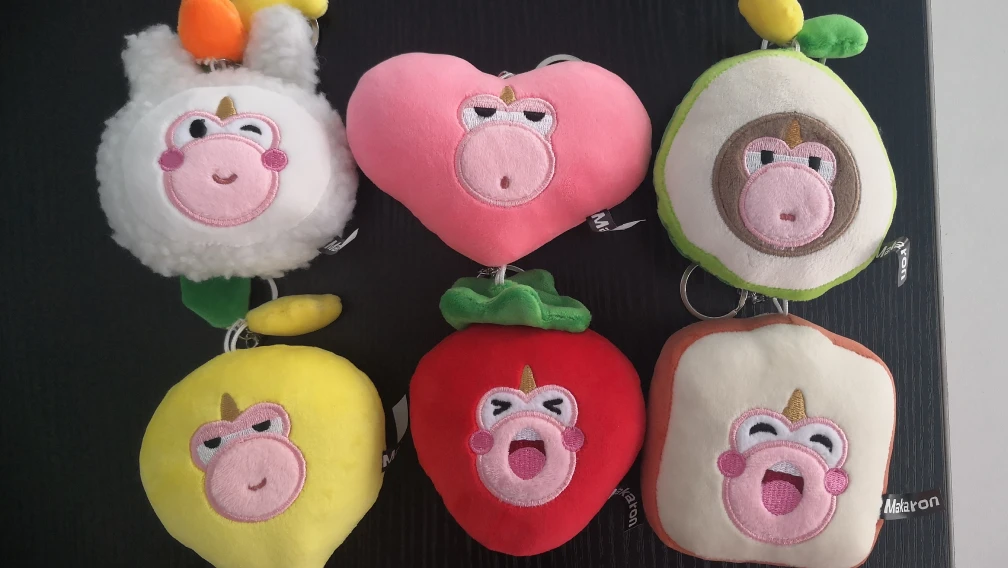
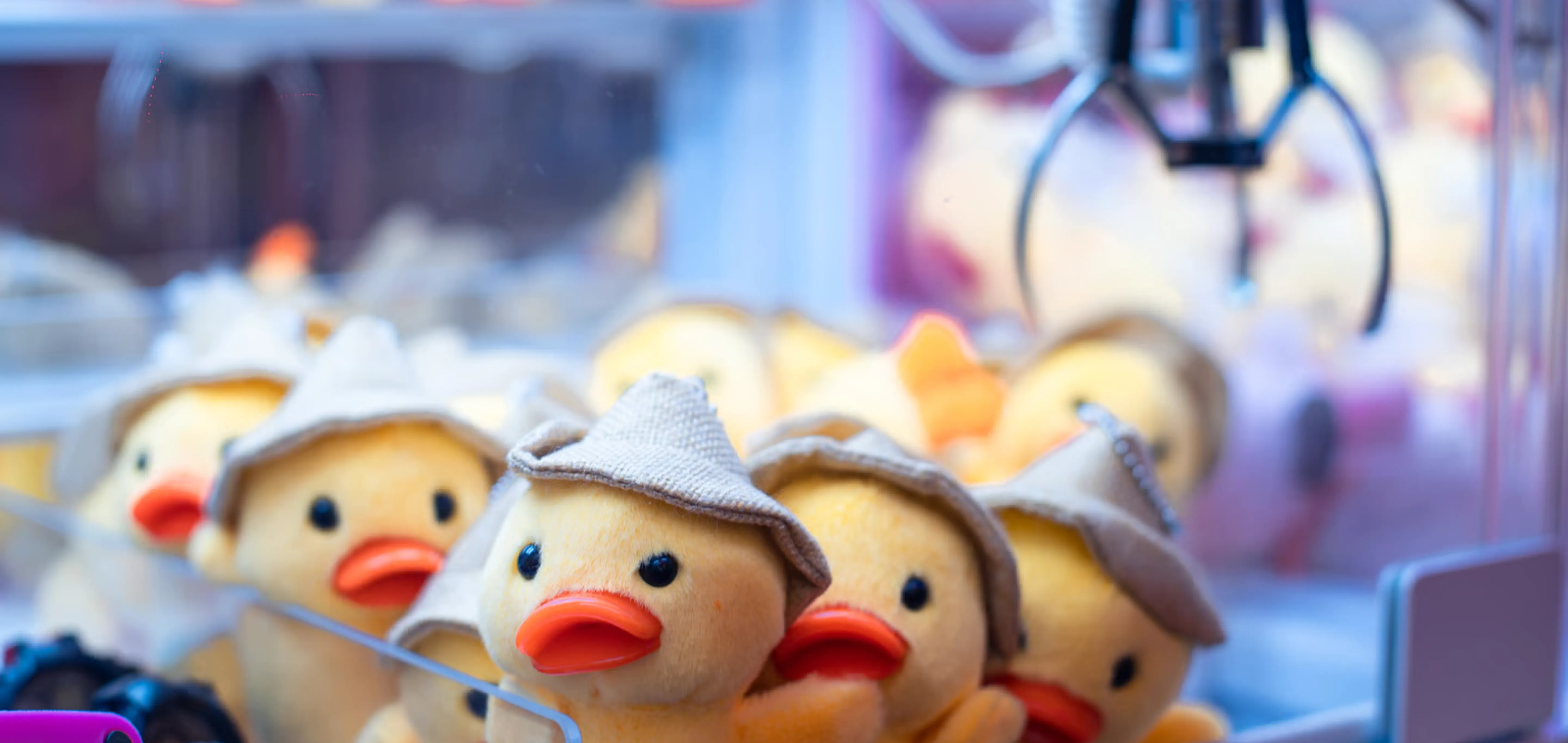
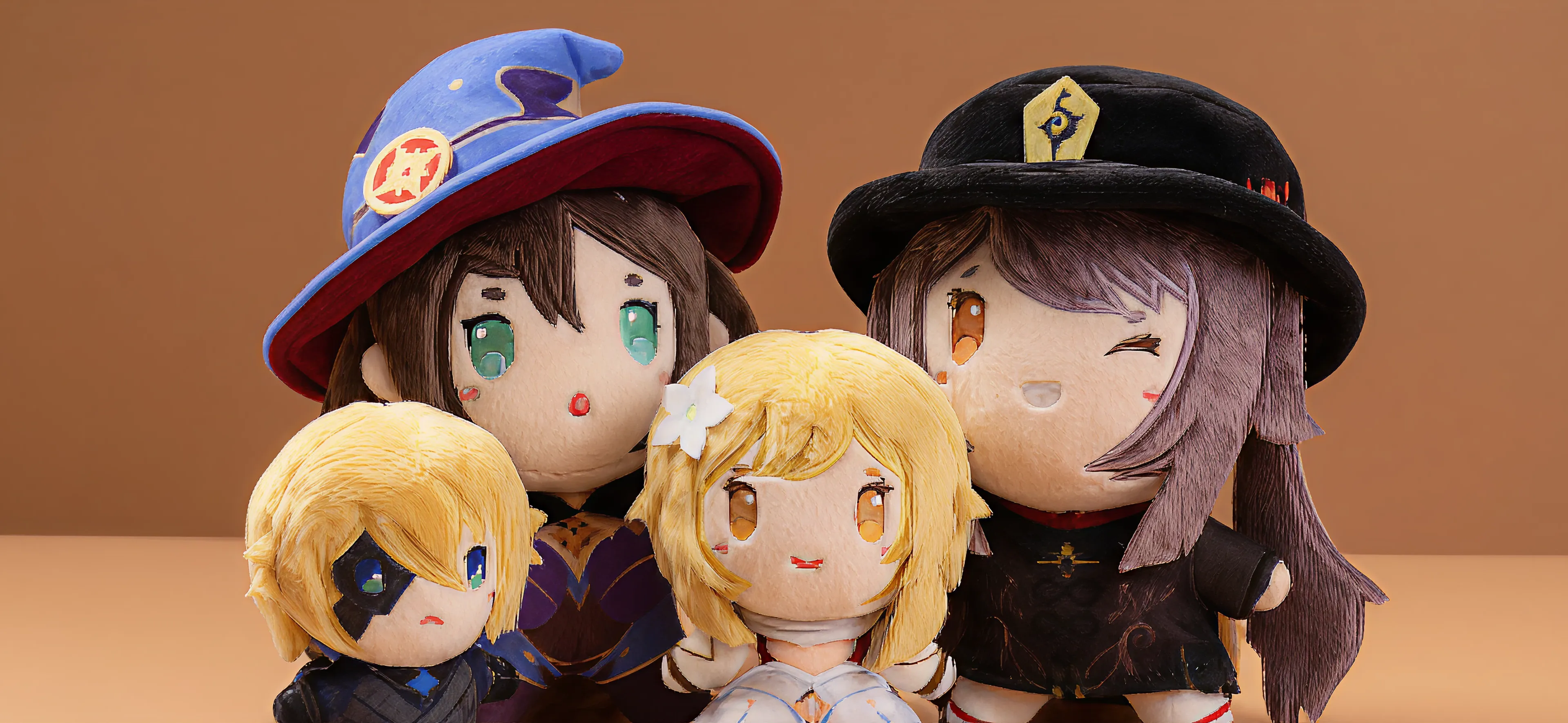
In factory terms, mini plush covers soft-filled character products between roughly 5 and 15 cm in their longest dimension. The category splits into four commercial families: claw machine and arcade prizes, blind box and collectible series, keychain and bag charm attachments, and promotional giveaways. Each family carries different expectations for finish quality, packaging, and price ceiling.
The distinction matters because it sets the production tolerance. A blind box collectible retailed at $12 needs clean embroidery and accurate character likeness. A claw machine prize retailed through a $1 play economy prioritizes durability and winnability over fine detail. Confusing the two briefs is the most common cause of a disappointing first sample, which is why we open every mini plush inquiry by asking where the product will be sold.
Design and Pattern Constraints at Small Scale
What design limits apply to mini plush toys?
Mini plush production requires simplified artwork: facial features must fit within embroidery limits of roughly 2 mm minimum line width, small appendages under 1.5 cm cannot be stuffed cleanly, and characters with many color zones need consolidation. Designs that work at 25 cm frequently fail at 8 cm, and the pattern team will propose simplifications rather than reproduce details that cannot survive the sewing process.
The physical constraint is turning radius. Every sewn seam must be turned right-side out through an opening, and at mini scale the fabric channels between limbs and body can be narrower than a sewing operator's finger. Pattern engineers solve this by merging thin limbs into the body silhouette, converting tails and ears into flat appliqué, or increasing the appendage width beyond what the artwork shows. Buyers should expect these adjustments and treat them as engineering requirements, not style suggestions.
Embroidery behaves differently at small scale as well. Stitch density that looks clean on a 30 cm doll produces stiff, puckered features on an 8 cm face. We reduce stitch counts and simplify expressions during digitizing, then verify readability on the physical sample rather than the screen preview.
Fabric and Fill Selection for Small Formats
Fabric behavior intensifies as size shrinks. Long-pile fabrics that give a large plush its premium feel overwhelm a mini format, burying facial features and adding bulk that distorts the silhouette. The working options:
| Fabric | Pile length | Use case in mini plush |
|---|---|---|
| Crystal super soft | 1–3 mm | Default for faces and printed bodies; cleanest detail reproduction |
| Velboa | 2–4 mm | Bodies and high-volume arcade programs; durable and economical |
| Felt / non-woven | Flat | Ears, horns, and appliqué details that cannot be stuffed |
| Short minky | 3–5 mm | Premium blind box lines where hand feel justifies the cost |
Fill selection follows the same logic. Standard PP cotton is the default, but at mini scale the stuffing grade matters: finer, shorter-fiber cotton packs evenly into small cavities where coarse fill leaves lumps. Weighted mini plush for the collectible market uses stainless steel or glass microbeads in a small internal pouch, adding a satisfying heft that photographs well in unboxing content. Full specifications are listed on our materials page.
Attachment Hardware: Keychains, Loops, and Clips
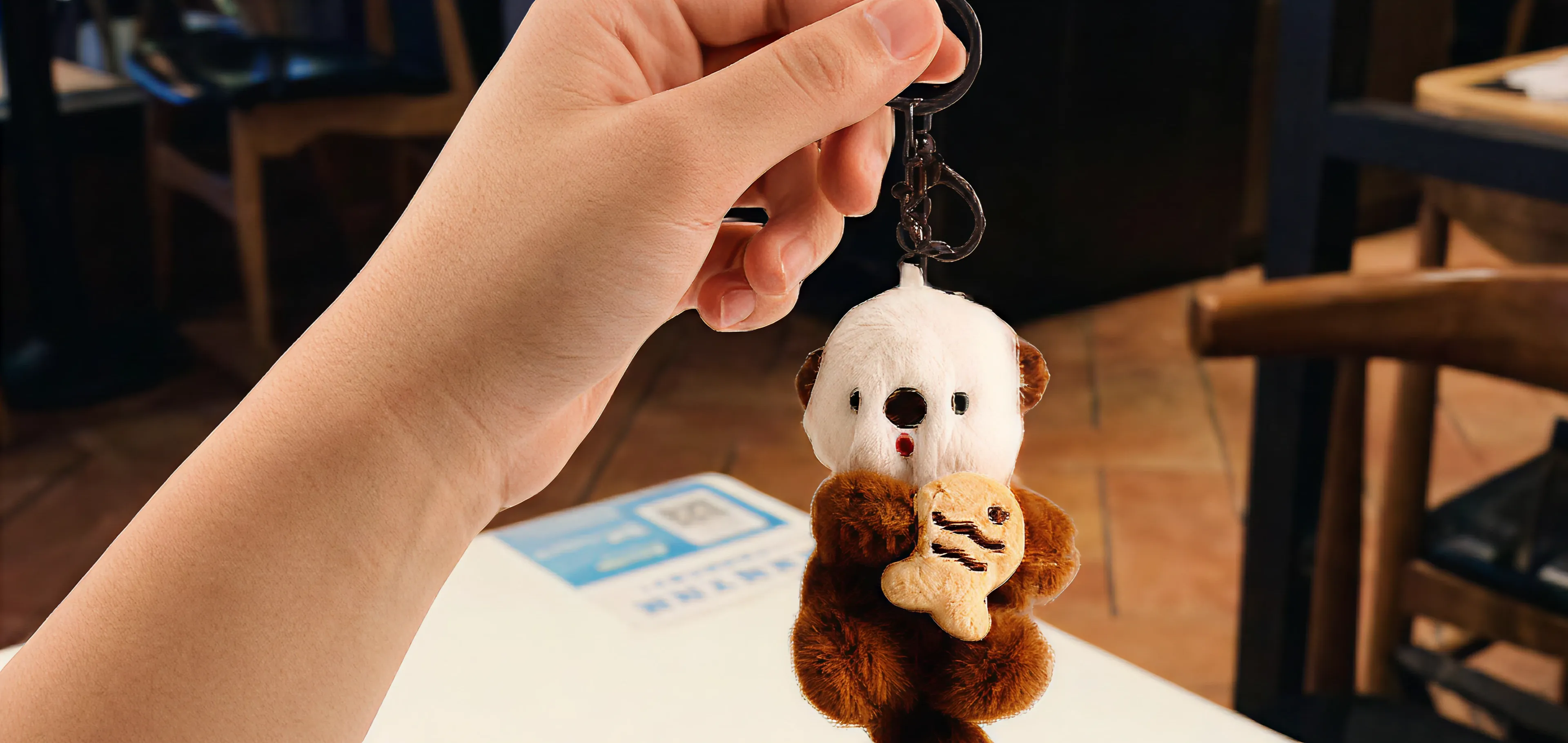
Most mini plush ships with an attachment system, and the hardware choice determines both the use case and the compliance profile. Ball chains suit claw machine and prize contexts. Lobster clasps with key rings serve retail keychain lines. Fabric loops work for younger age grades where metal hardware raises small-parts concerns.
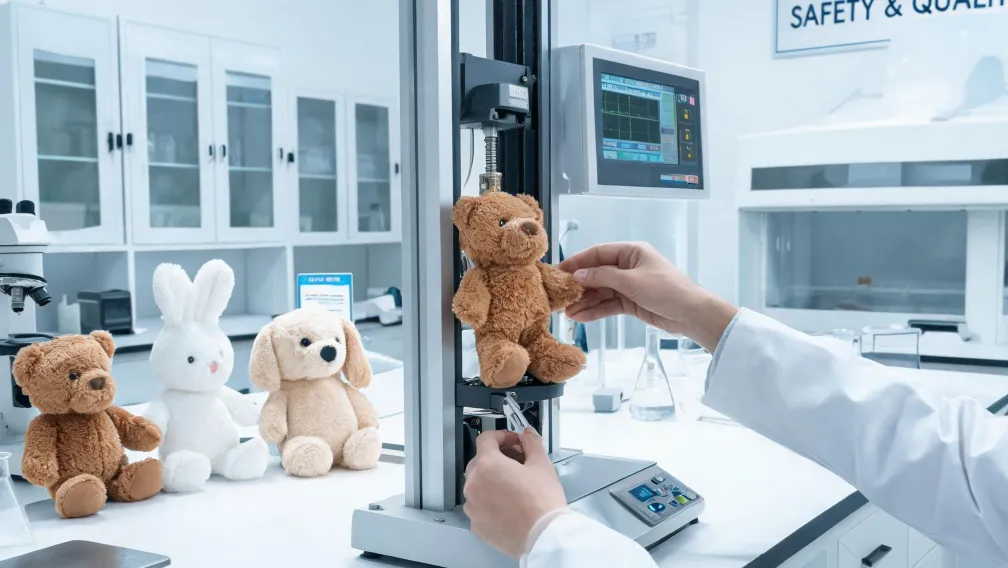
The attachment point itself is a structural detail. A loop or clasp anchor must be bar-tack stitched into a reinforced seam, because a 60 g plush hanging from a bag concentrates its entire load on one stitch point. During sample review, pull the attachment firmly in several directions; a well-built anchor shows no seam distortion. Related construction details are covered in our plush keychain and bag charm guide.
Blind Box and Series Production Considerations
Series production changes the factory workflow. A blind box program of six characters plus a hidden variant is not one product; it is seven parallel quality targets that must match each other in fabric color, embroidery placement, and stuffing weight. Buyers should approve a full series sample set, not a single representative sample, because character-to-character consistency is what collectors photograph and review.
Production planning for series also differs. Ratios for hidden or chase variants must be locked before cutting, because the ratio determines material allocation. A 1-in-72 hidden figure at 50,000 total units means roughly 700 hidden pieces, and that quantity is too small to re-run economically if the first batch fails inspection. We recommend a slightly overweight first allocation for hidden variants, with the surplus held as replacement stock.
Safety and Compliance for Mini Plush
Mini plush faces the same regulatory framework as full-size plush: ASTM F963 and CPSIA for the US, EN 71 for the EU. Small size introduces specific risks. Plastic safety eyes below standard anchor sizes may fail torque testing, so many mini programs use embroidered eyes regardless of target age. Metal keychain hardware requires lead and heavy-metal screening. Blind box packaging adds a second compliance layer, because the box and any included cards fall under packaging and labeling rules.
Claw machine and prize-channel plush deserves a note: low price does not lower the legal standard. Prize plush sold into US distribution is a children's product under CPSIA and requires the same testing and tracking labels as retail plush. Our testing workflow is described on the safety and compliance page.
MOQ, Sampling, and Production Timeline
What is the minimum order quantity for mini plush toys?
Standard MOQ for custom mini plush is 1,000 pieces per design, reflecting the setup cost of pattern development and embroidery digitizing against a low unit price. Blind box series typically start at 3,000 pieces per character. Sampling takes 7 to 10 days, and bulk production runs 25 to 40 days after sample approval.
| Stage | Typical duration |
|---|---|
| Artwork review and simplification proposal | 2–3 days |
| First sample | 7–10 days |
| Revision rounds (1–2 typical) | 4–6 days each |
| Bulk production | 25–40 days |
| Inspection and packing | 3–5 days |
Series programs should add one to two weeks to the sampling phase, because all characters must be sampled and approved as a matched set before bulk production begins.
Cost Structure of a Mini Plush Order
Unit cost for mini plush is driven by labor more than materials, which reverses the cost logic of larger formats. A 10 cm plush with an embroidered face and ball chain lands between $0.90 and $1.60 FOB at 3,000 pieces. The same size with printed details, weighted fill, and blind box packaging ranges from $1.60 to $2.80. Sampling fees of $50 to $100 per character are typically credited against the bulk order.
Three decisions move the price most. Simplifying the artwork to reduce panel count lowers labor cost directly. Consolidating fabric colors across a series reduces material minimums. And shipping compressed cartons rather than individual retail boxes cuts freight cost by half or more, with retail packaging completed at a local fulfillment center if the sales channel requires it.
Starting Your Mini Plush Project
Maris produces mini plush for claw machine operators, blind box brands, licensing programs, and promotional buyers, with pattern making, embroidery digitizing, and series production planning handled in one facility. Send your artwork, target size, and estimated quantity through the contact page, and we will return a manufacturability review with simplification proposals and a quotation within 48 hours. Completed projects are available in the mini plush toys collection.
FAQ
Standard MOQ is 1,000 pieces per design. Blind box series typically start at 3,000 pieces per character because each design requires its own pattern, embroidery setup, and approved sample.
Small scale removes the margin for error. Embroidery lines below roughly 2 mm lose definition, appendages under 1.5 cm cannot be stuffed cleanly, and excess color zones cannot be cut accurately at 5 to 15 cm scale. The pattern team consolidates these elements so the character survives the sewing process.
They can for products graded age three and above, but small anchors may fail torque testing at mini scale. Most mini plush programs use embroidered eyes regardless of age grade, which removes the risk entirely.
A series runs multiple parallel quality targets that must match each other in color, embroidery placement, and stuffing weight. Hidden-variant ratios must be locked before cutting because they determine material allocation, and a full series sample set should be approved together.
Yes. Prize plush sold into US distribution is a children's product under CPSIA and requires the same third-party testing, Children's Product Certificate, and tracking labels as retail plush. The sales channel does not change the legal standard.
A 10 cm plush with an embroidered face and ball chain runs $0.90 to $1.60 FOB at 3,000 pieces. Versions with printed details, weighted fill, and blind box packaging range from $1.60 to $2.80. Sample fees of $50 to $100 per character are usually credited against the bulk order.
Yes. Stainless steel or glass microbeads in a small internal pouch add heft that collectors respond to, particularly for blind box and desk-display products. The weighted fill adds testing scope and roughly $0.15 to $0.30 per unit at series volumes.