Mini Plush Toys for Blind Boxes and Collectibles: A B2B Manufacturing Guide
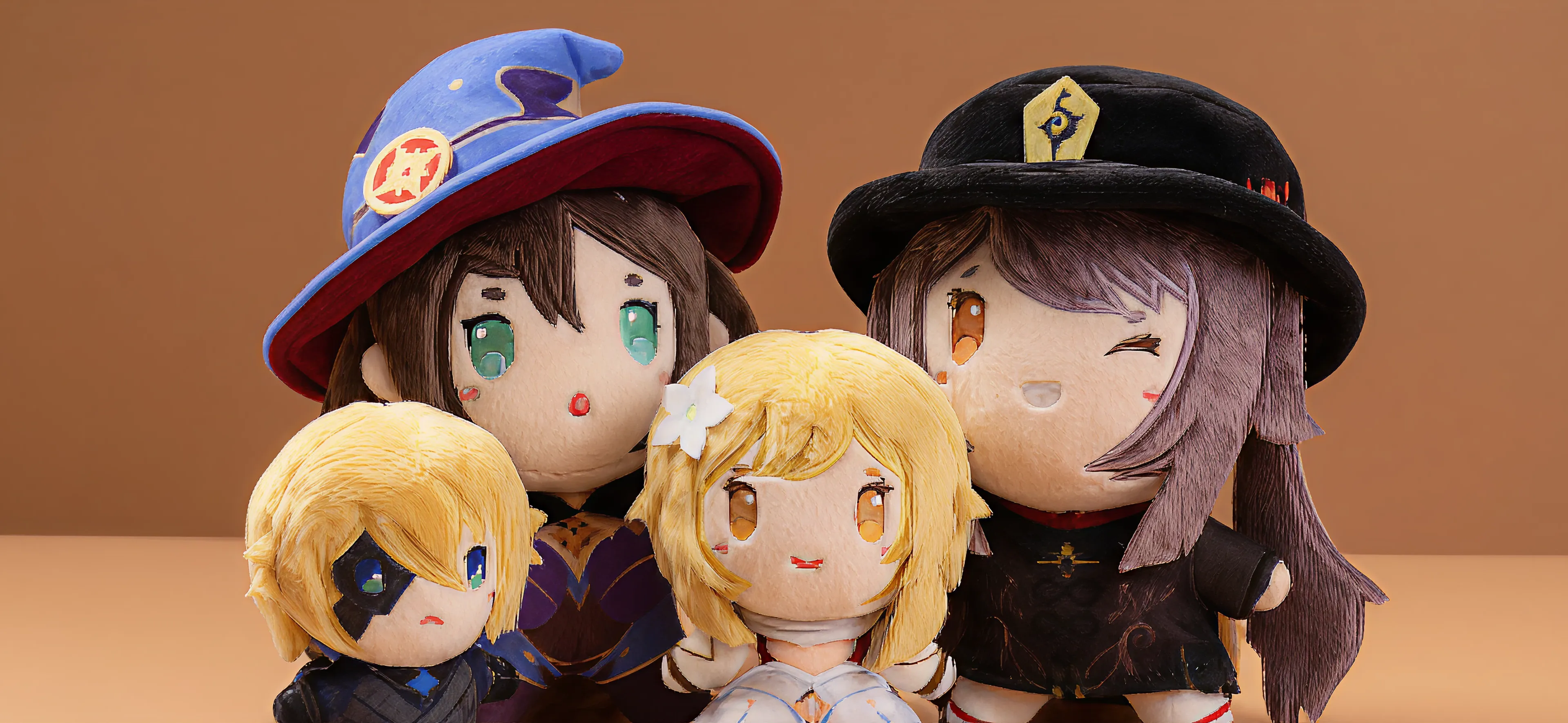
Mini plush toys, typically ranging from 5cm to 12cm in height, have transitioned from basic promotional giveaways into premium collectible commodities. Driven by the explosive growth of blind box mechanics, capsule vending (gashapon), and high-end IP merchandising, these scaled-down figures demand a manufacturing approach entirely distinct from standard plush production. Engineering a 10cm character is not merely a matter of shrinking the flat patterns. It requires calculating micro-tolerances in seam allowances, specifying specialized short-pile fabrics, managing precise weight equalization for blind packaging, and navigating rigorous safety compliance for small parts.
This comprehensive guide details the technical production parameters for B2B buyers, IP licensors, and procurement teams planning to launch a mini plush, bag charm, or blind box collectible program. We analyze pattern geometry, precision cutting methodologies, micro-embroidery constraints, weight balancing strategies, and the volume economics that dictate program feasibility.
The Geometry of Miniaturization and Pattern Drafting
The primary engineering constraint in manufacturing mini plush toys is the ratio of seam allowance to total surface area. In a standard 25cm plush figure, a 5mm seam allowance is negligible. In an 8cm plush, that same 5mm allowance consumes a massive percentage of the internal volume and severely distorts the exterior geometry if not managed correctly. Pattern engineers must radically simplify character designs for miniaturization. Highly articulated limbs are often merged into the main body chassis to create a cohesive, recognizable silhouette. Deep gussets are minimized, and multi-panel facial structures are replaced with flat, single-panel faces that rely on embroidery or printing for definition.
Turning small sewn parts inside out is a critical bottleneck on the factory floor. Components narrower than 12mm across—such as animal tails or miniature character arms—cannot be effectively turned right-side out using standard factory tools. These elements must either be rendered in single-ply non-fraying felt, structurally integrated into larger body panels, or constructed using automated cord-making machines.
Fabric Specification and Pile Management
Material selection strictly dictates the visual fidelity of a mini plush toy. Long-pile fabrics, such as standard faux rabbit fur or high-pile sherpa, are fundamentally incompatible with characters under 10cm. The pile length disproportionately adds volume, obscuring the character's silhouette and making the item resemble a shapeless puffball rather than a defined figure.
Procurement specifications must mandate short-pile or zero-pile knits. Velboa (1-1.5mm pile) is the industry standard for general mini plush, providing enough texture to feel soft while maintaining sharp structural edges. Crystal super soft fabric offers a denser, smoother surface that supports high-resolution sublimation printing. Nylex (Tricot) is frequently utilized for internal ear panels and micro-clothing elements because it possesses zero pile and minimal stretch, locking the pattern dimensions rigidly in place. Minimizing stretch is vital; highly elastic fabrics deform easily when stuffed into small cavities, resulting in inconsistent product heights across a bulk production run.
Precision Cutting: Laser vs. Die-Cutting for Micro Panels
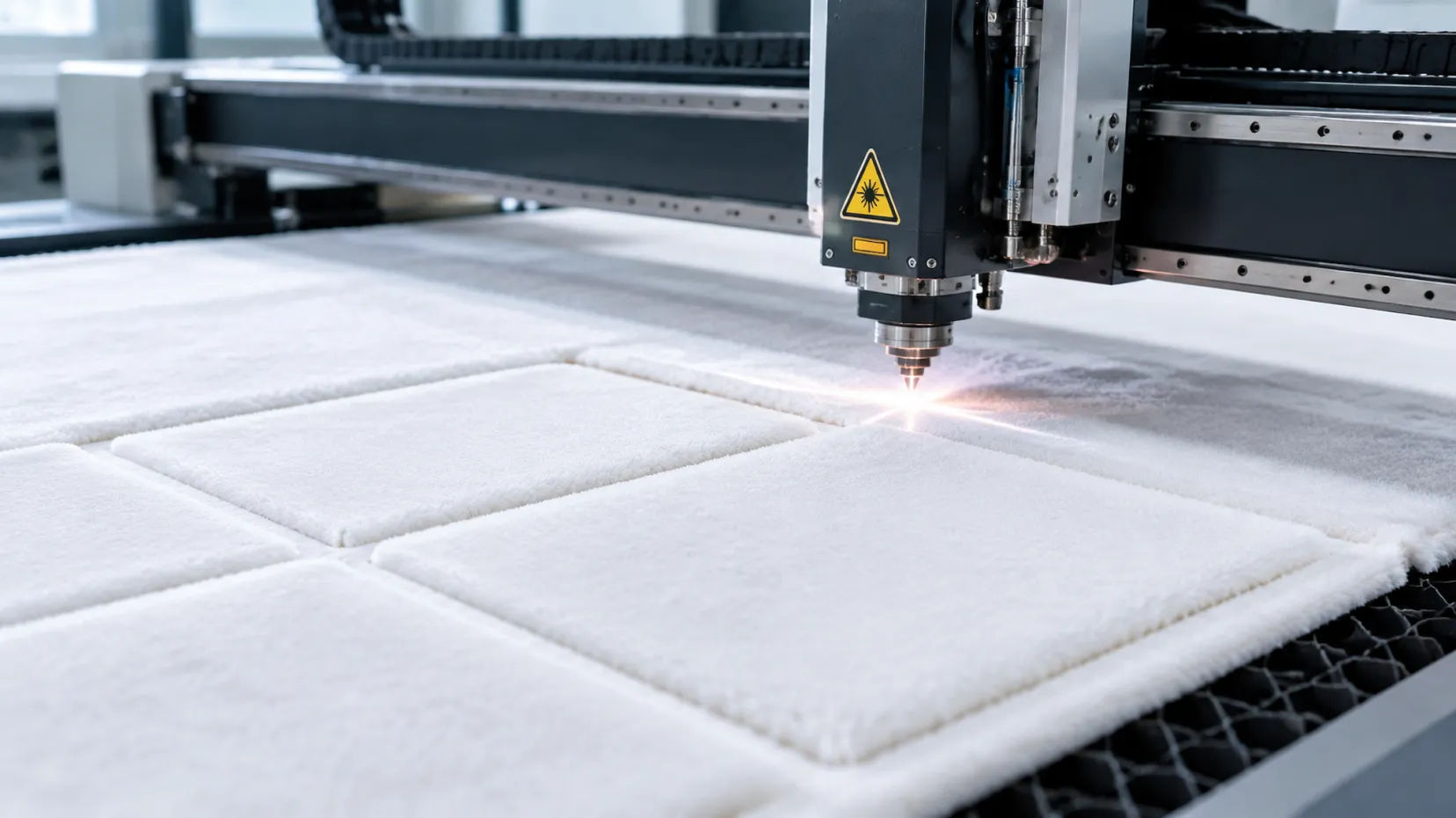
Traditional die-cutting presses are generally unsuitable for mini plush panels under 3cm in diameter. The mechanical pressure causes the fabric layers to shift marginally, leading to cutting deviations of up to 2mm. On a 5cm plush toy, a 2mm deviation ruins the facial symmetry.
Therefore, laser cutting is mandatory for high-quality mini plush programs. Laser cutting achieves sub-millimeter precision and, crucially, cauterizes the synthetic fibers at the cut edge. This heat-sealing prevents the fabric from fraying while the operators handle the tiny panels during the sewing phase. While laser cutting is marginally slower and consumes more machine time, the drastic reduction in defect rates and rework makes it the only viable method for premium collectible IP programs.
Micro-Embroidery and Detail Decoration Constraints
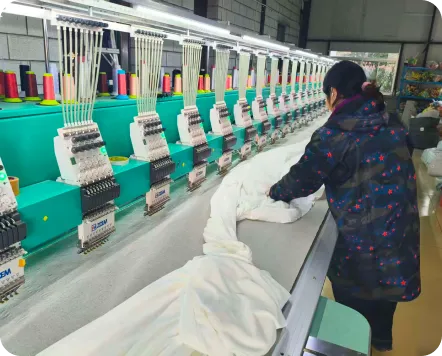
Translating complex IP artwork into embroidery on a 4cm wide facial panel requires aggressive optimization. Factory embroidery machines face physical limitations regarding needle thickness and thread tension. Text elements must be scaled to a minimum height of 4mm to remain legible; anything smaller will render as an illegible block of thread due to thread bunching and fabric pull.
For micro-details that fall below the embroidery threshold, manufacturers shift to sublimation printing or heat transfer vinyl (HTV). Sublimation requires a white or light-colored base fabric composed of high-polyester content, but it allows for unlimited colors and photographic gradients without altering the fabric's hand-feel. It is heavily utilized for miniature plush clothing, uniform logos, and complex eye designs on custom plush keychains where needle penetrations would compromise the small fabric panels.
Hardware Anchoring and Pull Force Dynamics
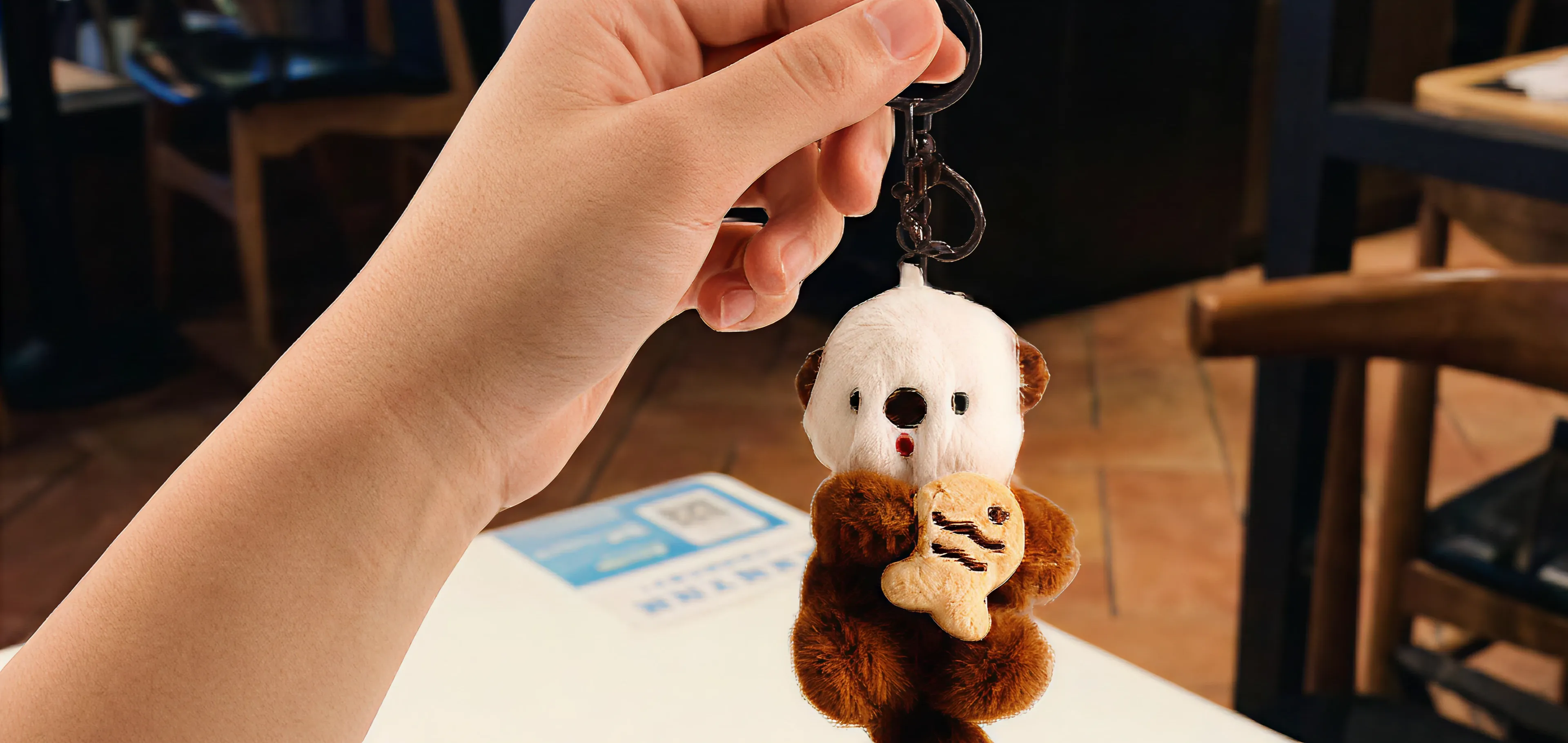
Mini plush products are frequently designed as bag charms, necessitating secure hardware integration. The standard hardware suite includes metal ball chains, split rings, or lobster clasps. The attachment methodology is a primary point of failure if engineered poorly.
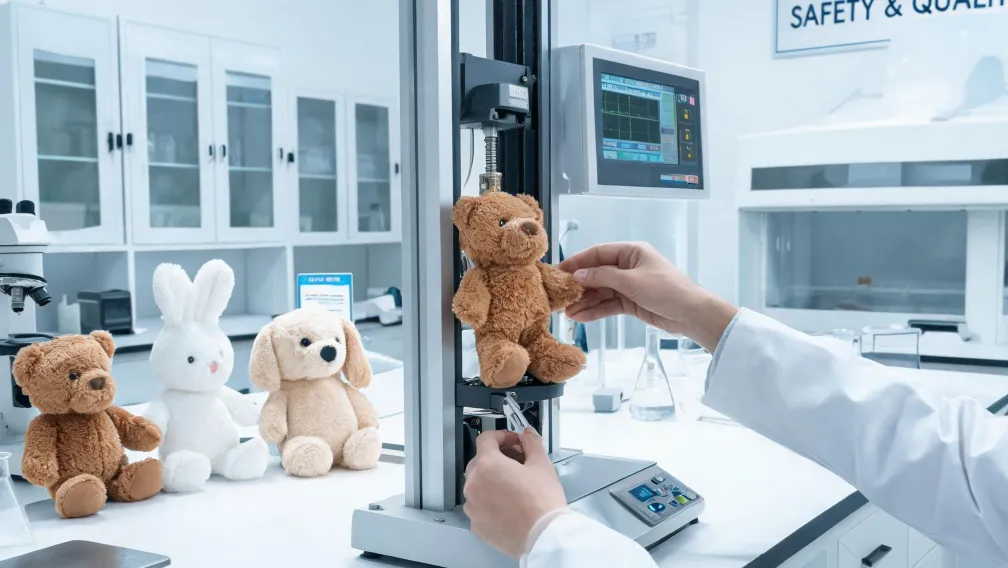
Hardware should never be sewn directly to the plush shell fabric. Instead, a durable nylon grosgrain ribbon loop (typically 6mm to 9mm wide) is folded and inserted deep into the top seam allowance. This seam must be reinforced with a backstitch or a localized bar tack using high-tensile bonded nylon thread. If the product is marketed as a child's toy or accessory, this anchor point must withstand a mandatory pull test—typically 70 Newtons (EU) or 15 lbs (US)—without detaching, to comply with strict small parts regulations.
Blind Box Packaging and Weight Equalization Logistics
The blind box retail model relies on absolute unpredictability. Consumers must not be able to guess which specific character variation is inside the box by shaking, squeezing, or weighing it. This presents a complex challenge for the factory when the collectible series includes characters of slightly different shapes or varying hardware.
To ensure a uniform consumer experience, factories implement a multi-stage packaging protocol. First, the plush is vacuum-sealed or placed within an opaque foil bag to prevent light transmission and physical identification through the cardboard. Second, the packaging line must execute weight equalization. If "Character A" weighs 25 grams and "Character B" weighs 32 grams, the factory must insert precisely calibrated counterweights (usually high-density cardstock inserts or blank plastic tokens) into the packaging of Character A to equalize the gross weight. A variance of more than 2 to 3 grams across a production batch is unacceptable in professional blind box logistics.
Capsule Vending (Gashapon) Integration Parameters
When engineering mini plush for capsule vending machines, physical compressibility and recovery metrics take precedence. Standard capsule diameters range from 65mm to 100mm. A 10cm plush must be compressed tightly to fit within a 65mm shell.
The specification must dictate high-resilience hollow siliconized PP cotton for the fill. Low-grade stuffing will permanently crush under the pressure of the plastic capsule, resulting in a deformed product upon unboxing. Procurement teams must request "compression recovery testing" during the prototyping phase. The factory compresses the pre-production sample into the designated capsule size, holds it at room temperature for a minimum of 14 days, and then measures the time required for the plush to regain 95% of its original volume upon release.
Compliance, Age Grading, and Small Parts Hazards
Age grading fundamentally alters the manufacturing compliance pathway. A mini plush equipped with a metal keychain and marketed broadly to children is subject to the most rigorous testing under ASTM F963 (US) and EN 71 (EU). The primary failure point is the "Small Parts Cylinder" test. Any hard component (like plastic safety eyes or detached hardware) that fits entirely within the standard test cylinder poses a choking hazard for children under 3 years old.
To navigate this, many IP owners market their blind box plush specifically as "Adult Collectibles" with a strict "14+ Years" age grade printed prominently on the packaging. This classification legitimately bypasses mechanical toy testing mandates, provided the marketing, distribution channels, and visual appeal strongly support the adult collector positioning. However, basic chemical compliance—such as REACH (EU) limits on heavy metals in the hardware and textile azo-dye restrictions—remains universally applicable. Our safety and compliance overview details these chemical threshold limits.
Cost Structure, MOQ, and Volume Economics
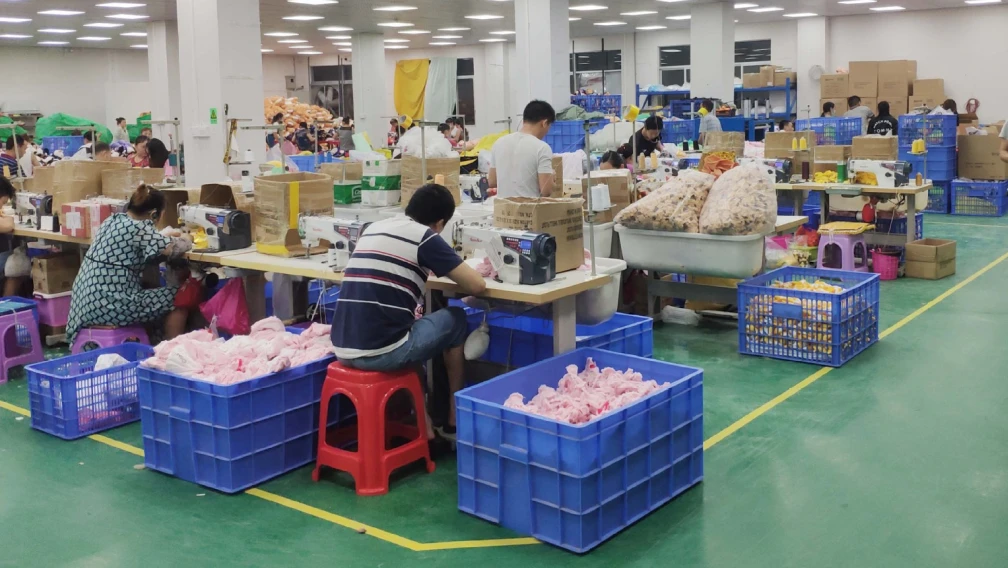
A common misconception in B2B procurement is that a smaller plush inherently equates to a drastically lower unit cost. In reality, material cost decreases, but the labor cost per unit often increases. Handling tiny fabric panels, executing micro-embroidery, and carefully stuffing 5cm cavities is highly labor-intensive and slows down the sewing line velocity.
Consequently, the Minimum Order Quantity (MOQ) for mini plush programs is significantly higher than for standard 25cm items. Fabric mills require minimum yardage to dye custom pantone colors. A single roll of fabric yields thousands of mini plush panels. Most factories require an MOQ of 3,000 to 5,000 pieces per design for custom blind box series to absorb the setup costs, laser cutting time, and foil bag tooling. A basic 8cm velboa plush keychain generally ranges from $1.20 to $1.80 FOB at volumes of 5,000 units, whereas complex IP characters with detailed printing and custom hardware can approach $2.50 to $3.50 FOB.
Initiating Your Mini Plush Program
Developing a successful blind box or promotional mini plush series requires precise pattern engineering to translate your IP faithfully at a micro scale. Maris specializes in high-volume, precision manufacturing for collectible plush programs. We manage everything from laser-cut prototyping to weight-equalized blind box packaging. Procurement teams can submit their character artwork and target dimensions via our contact page to receive a detailed manufacturability review and a structured quotation within 48 hours.
FAQ
Mini plush toys generally range from 5cm to 12cm in height. Sizes under 5cm are extremely difficult to sew mechanically and are usually restricted to flat, 2D shapes, while anything above 12cm begins to cross into standard small plush territory and will not fit in typical blind boxes or vending capsules.
Due to the high fabric yield per yard and the necessary setup costs for custom foil bags and printed packaging, blind box plush series typically require an MOQ of 3,000 to 5,000 pieces per character design. Smaller runs are possible but drastically increase the unit cost.
Multi-layered 3D clothing is very challenging on plush under 10cm due to fabric bulk. Instead, manufacturers highly recommend using sublimation printing directly onto the main shell fabric to simulate clothing, or using single-ply sublimated felt for capes and skirts to keep the product streamlined.
Factories achieve this by weighing every finished prototype. The heaviest character in the series becomes the baseline. For lighter characters, the factory inserts precision-calibrated high-density cardstock or blank plastic tokens inside the foil bag to match the baseline weight, ensuring consumers cannot "weigh" the boxes to guess the contents.
If marketed to children under 14 (or under 12 in the US), they must pass standard toy safety tests (ASTM F963 or EN 71), heavily focusing on the small parts cylinder test. Many IP brands choose to label blind box plush strictly as "14+ Adult Collectibles" to bypass these specific mechanical toy tests, though chemical compliance for dyes and heavy metals still applies.
Not significantly. While material consumption is lower, mini plush toys are actually more labor-intensive to produce. Laser cutting micro-panels, executing precise small-scale embroidery, and sewing tight curves takes factory workers longer than assembling a standard 25cm plush, which offsets the material savings.
Crystal super soft fabric or Nylex (Tricot). Both have an extremely short or zero pile, creating a smooth surface that accepts high-resolution sublimation printing without distorting the artwork or stretching out of shape during the stuffing process.